
Ready to Make an Offer? Look Closer First
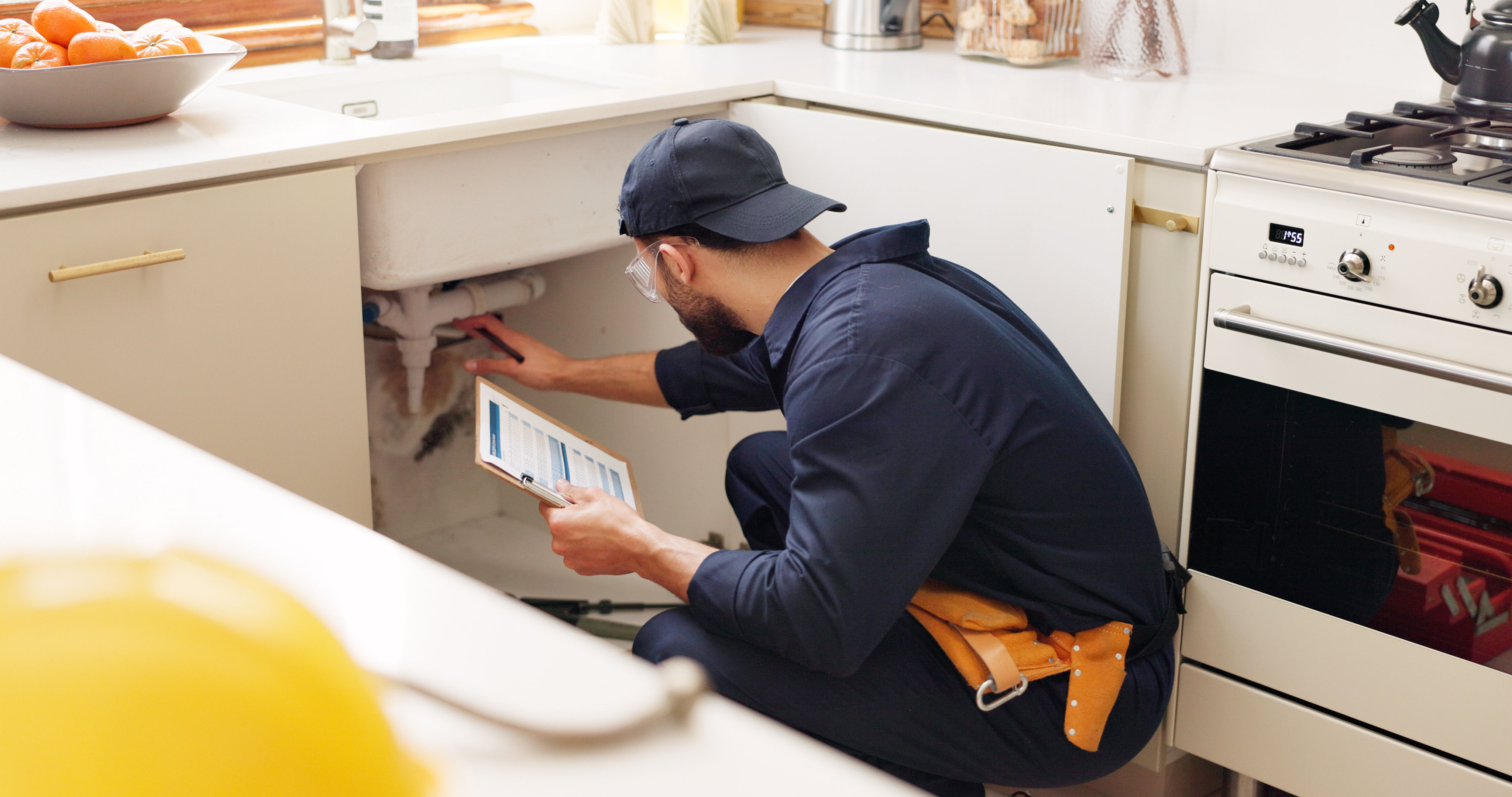
Finding a home that checks all the boxes is exciting, but before you make an offer, take a moment. Fresh paint and thoughtful staging can make a place feel move-in ready while hiding issues that could affect your comfort or lead to costly repairs down the line. A closer look at the home’s condition, systems, functionality, and location can help you decide whether the home and the price make sense before you commit.
Taking a Closer Look at the Home
One of the most important things to do before buying is to check the home thoroughly. Requesting a home inspection can reveal issues you can’t see at first glance or during an open house, when staging may cover areas that are hidden for a reason.
Check for Foundation and Water Concerns
Look for cracks in the foundation walls, uneven floors, sticking doors or windows, and shifting bricks. Inside, if there is a basement, make sure to check down there, along with any crawl spaces, ceiling storage areas, and the areas around windows and plumbing. Look for stains, musty odors, bubbling paint, or other signs of water damage. When it comes to the roof, look for missing shingles or sagging areas, and ask about its age and when it was last worked on. While you’re at it, ask whether the property has ever experienced flooding or leaks. These details can help you identify questions to raise during a professional home inspection.
Don’t Forget the Lot and Yard
Everything outside the home often gets overlooked. Walk the property and look at the driveway, deck, fencing, retaining walls, and landscaping. Watch for large trees near the house or utility lines, areas where water pools, and signs of erosion. Also consider the time and equipment required to maintain the yard. Keep in mind that the exterior can be staged too, so make sure your professional inspection covers the outside as well.
Checking for Functionality
Your first look at a home is usually online, through photos and video. A home can be photographed beautifully, but images can’t tell you how it would feel to live there and go about your day-to-day activities.
Think About the Flow
As you picture your life in each room, consider storage space, hobbies, guests, and future projects. Look past the finishes and pay attention to the placement of windows and doors, which affects traffic patterns and where furniture can go. Think about how your current furniture would fit so you get a better sense of how each room feels. Also check the locations of electrical outlets and light switches to make sure the space will work for the way you plan to live in it.
Consider Major Systems and Features
Behind every interior is a network of appliances and mechanical systems that can affect comfort, maintenance, and monthly costs. Start with major appliances, such as ovens, cooktops, dishwashers, garbage disposals, and heating and air conditioning, and note their age and condition. As you walk through, check that faucets run well and toilets flush, and pay attention to water pressure and drainage. The goal is to understand what’s working well now and what might need attention soon. Knowing what needs work can also help you negotiate with the seller for repairs or a price reduction.
Examine the Location and Costs
Once you’ve considered the home itself, look beyond the property lines. You’re buying into the location as well, along with the costs and conditions that come with it. Even a well-maintained home may not be the right choice if the neighborhood doesn’t suit you or the overall cost would strain your budget.
Exploring the Neighborhood and Surroundings
As you get to know the home, get to know the neighborhood too. Note traffic, noise, parking, and nearby amenities to see how your daily routine would fit. Weigh the qualities that matter most to your lifestyle, such as walkable streets or a nearby park if you have kids or pets, the length of your commute, and access to grocery stores, healthcare, and schools. Also look into natural hazards or recurring issues that locals may take for granted but that you might find hard to live with, such as a road that regularly floods on your commute or an area under constant construction or maintenance.
Real Cost of Buying a Home
Property tax is one of the biggest costs to keep in mind. Even if everything about the home looks good, make sure your finances are in order before making such a big decision. Also account for additional costs, such as HOA membership fees, utilities, and potential repairs, since these can affect whether the home is truly right for you.
Once you have a clear picture of these costs, you can weigh the final details and decide whether to move forward. Taking the time to understand conditions, costs, functionality, and location can turn that early excitement into a confident decision. Before you make an offer, make sure you know what you’re really saying yes to.
Original Article by Kimberly Quevedo of Blue Matter


Leave a Reply