
Quiet Luxury Kitchens: Designing for Calm
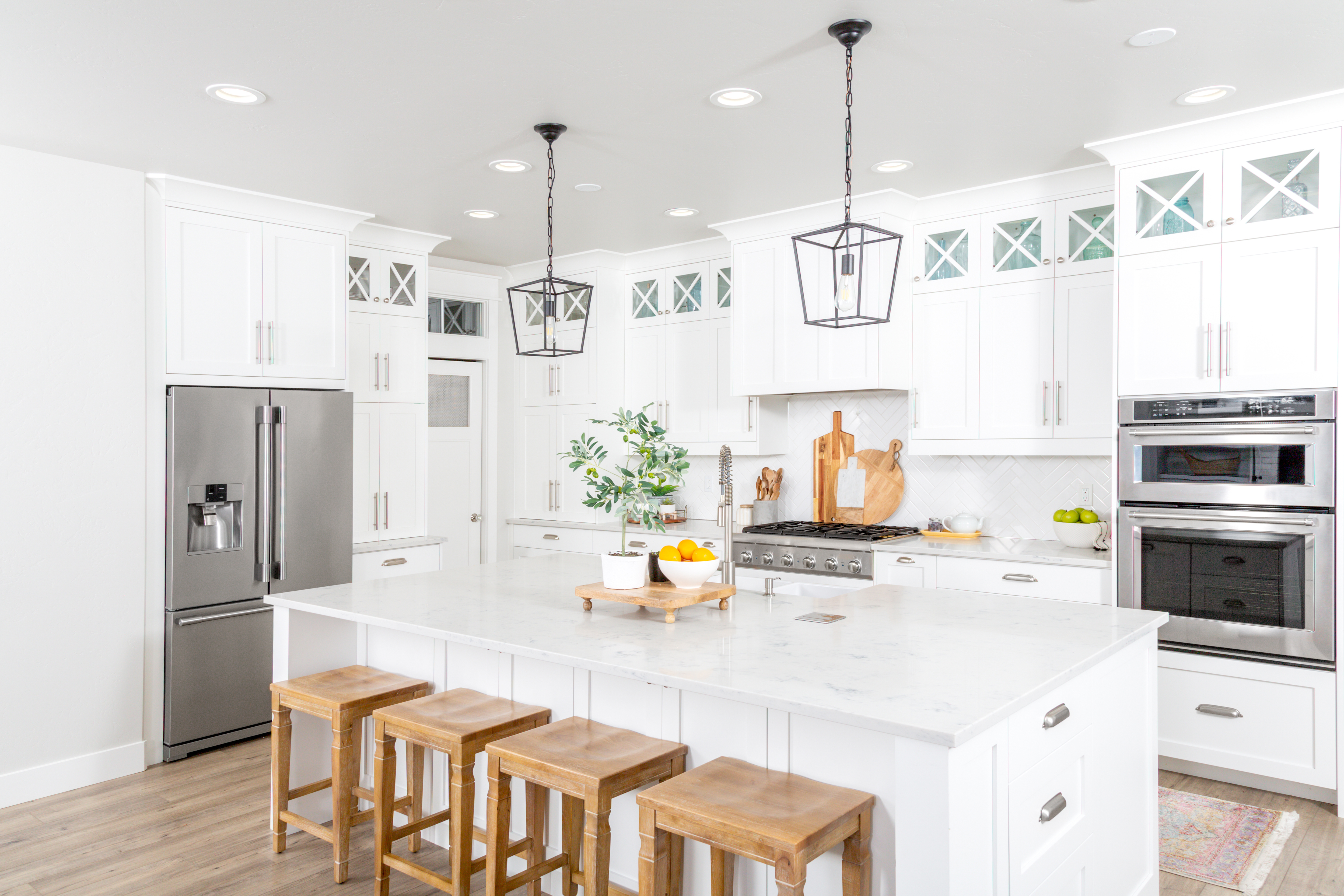
For years, the kitchen was the busiest room in the home, and its look reflected that. Stainless steel refrigerators, exposed range hoods, and heavy commercial ranges were considered the ultimate symbol of a perfect home. Today, quiet luxury kitchen design offers a calmer approach, one where technology steps back and lets natural materials and thoughtful architecture take center stage.
If you want a kitchen that doesn’t overwhelm you or leave you feeling stressed every time you walk in, this trend creates a serene space that feels less like a restaurant kitchen and more like a warm extension of your home. By concealing appliances behind custom cabinetry and flush surfaces, you can make your home feel larger and brighter.
Let Your Appliances Blend In
The foundation of a hidden kitchen is integrated, panel-ready appliances. Refrigerators and dishwashers are fitted with custom doors that sit flush with the surrounding cabinetry. Picture a full-height refrigerator wearing the same walnut or painted shaker panel as the cabinets beside it, so it reads as a pantry wall rather than an appliance. The same goes for a dishwasher beside the sink: with a matching front and controls tucked along the top edge, it disappears into the run of cabinets. If your cabinets give the kitchen a warm, soft feel, try matching the panels to that exact tone. When heavy-duty appliances are made to blend in, the visual balance of the entire room changes.
This seamless look is especially valuable in an open-concept home, where the kitchen is visible from the living or dining room. Concealing large appliances keeps the space from feeling industrial and turns the kitchen into a more elegant architectural feature.
A Place for Everything, Out of Sight
Hiding kitchen equipment goes beyond custom doors on the major appliances. The smaller items you use every day can create visual distraction, too. A sink or countertop crowded with utensils, measuring cups, and small appliances left out for convenience can quickly feel overwhelming.
A great place to start is adding organizers or rethinking your drawers so tools are tucked away but still within easy reach. Move your spatulas to the drawer nearest the stove, or place your air fryer in a corner or flush against an adjacent wall, where it’s out of plain view but still accessible to anyone using the kitchen. Think about the natural flow of your space and arrange your tools so they don’t have to travel far to do their job.
Cooktops and Vents That Disappear
Cooking surfaces have become remarkably subtle. Smooth induction cooktops now sit flush with the countertop, and some can be covered with a removable overlay to keep them clean and out of sight. Some modern designs even embed induction coils directly beneath a porcelain or quartz slab, creating a continuous surface that doubles as a prep zone or serving buffet when the cooktop is off.
Ventilation has seen a similar transformation. A downdraft vent, for example, stays flat with the counter until you cook, then rises behind the cooktop and lowers again when you’re done. Some induction cooktops even build the vent into the center of the surface, drawing steam and odors down before they travel. Another option is a ceiling-recessed unit set between the joists above an island, where it’s nearly invisible. If you prefer a traditional look, a hood can be wrapped in matching cabinetry or plaster so it feels like part of the architecture instead of a stainless steel centerpiece. Removing a bulky range hood opens sightlines across the home, letting in more light and making the kitchen feel more open.
Where Comfort Meets Style
A seamless kitchen is about much more than following a visual trend or opening up the floor plan. It improves how you use the space every day, shaping the room around your daily routines. A kitchen that feels industrial, or that clutters easily, creates visual noise and distraction. Transforming it into something more open creates a peaceful experience.
From a home value perspective, subtle, functional design makes the kitchen the heart of the home, blending it into the home’s overall style rather than letting it stand apart. Prospective buyers appreciate a kitchen that pairs high-end capability with a soft, timeless aesthetic. By prioritizing quality craftsmanship, hidden utility, and clean lines, you can create a living space that offers both comfort and lasting value.
Originally article by Jessica Decina of Blue Matter


Leave a Reply