
Areas where Home Inspections can Fail
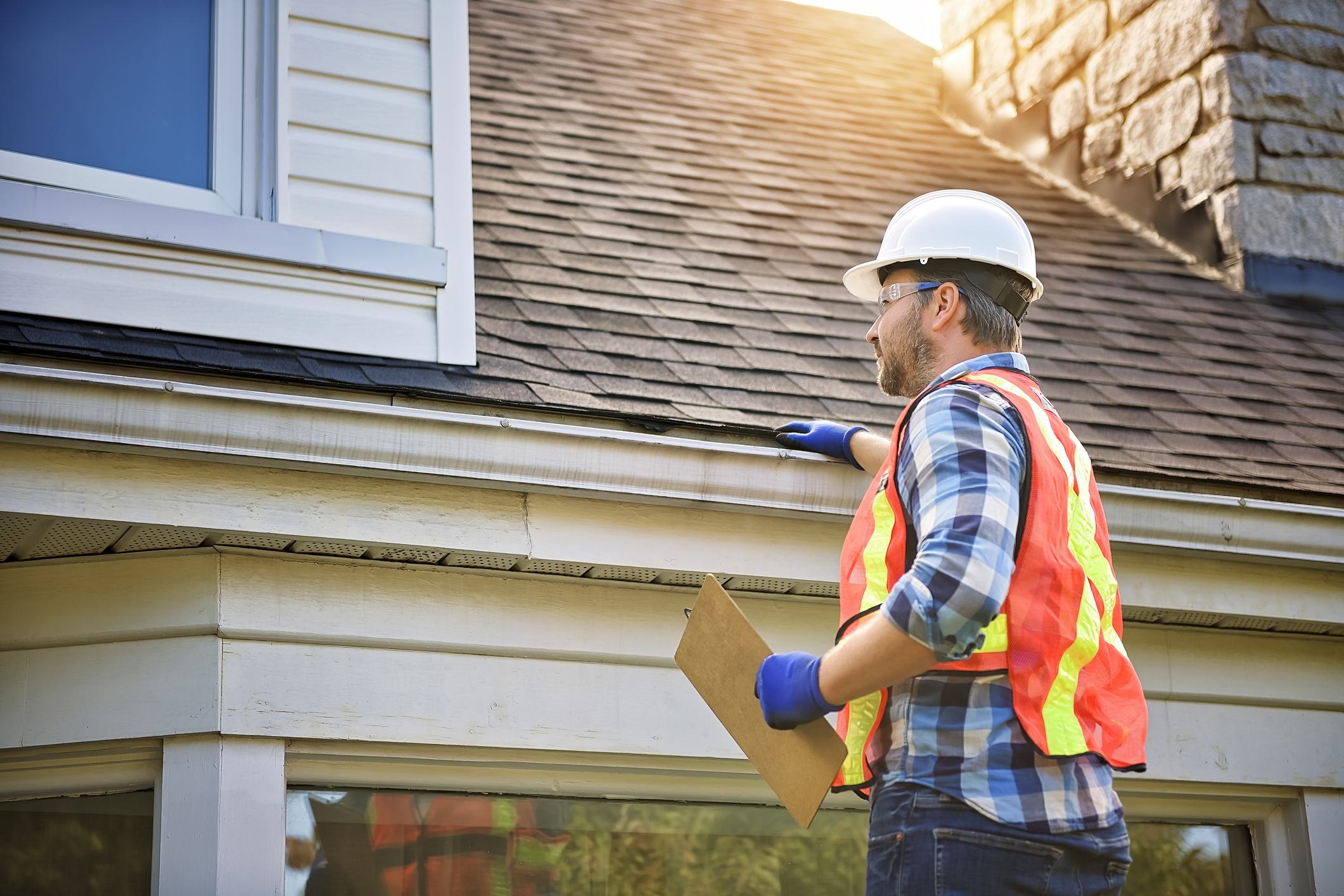
When preparing to sell your home, one of the most important steps you’ll encounter is the home inspection. A thorough inspection can reveal anything from minor maintenance issues to significant structural or safety concerns — and for sellers, the findings can directly impact your timeline, your negotiations, and ultimately your sale price. Knowing the most common reasons home inspections fail gives you the opportunity to get ahead of potential problems before you ever list, so you can enter the market with confidence.
What’s at Stake
A failed or problematic home inspection can put an entire sale at risk. If a buyer and seller can’t agree on how to resolve a serious issue with the condition of the home, the deal can fall through entirely. The most common inspection red flags involve a home’s major systems — structural integrity, electrical, and plumbing — along with health hazards such as mold, water damage, and pest infestations. Being aware of these issues ahead of time puts you in a much stronger position at the negotiating table.
Leaking or Aging Roof
For buyers, roof problems are often a deal-breaker. Replacing a roof is a significant expense, and a damaged one raises immediate concerns about the home’s safety and long-term livability. As a seller, it’s worth addressing any roof issues before listing — in many cases, a repaired or newer roof can even justify a higher asking price.
If your roof is nearing the end of its lifespan, consider getting an inspection estimate and making repairs or a full replacement based on its condition. Even a relatively newer roof is worth a quick visual check. Look for missing or damaged shingles, uneven surfaces where water might pool, or any signs of interior water staining that could indicate a slow leak.
Major Electrical Issues
Electrical problems are a serious safety concern and one of the most common reasons buyers hesitate or walk away. While some buyers may be willing to add outlets or install safety upgrades on their own, most will not take on the liability of faulty or outdated wiring — and mortgage lenders may not approve financing on a home with significant electrical deficiencies.
If your home is older, it’s worth hiring a licensed electrician for a pre-listing inspection. They can identify improperly installed or outdated wiring, exposed or frayed cables, and overloaded breakers — giving you a clear picture of what needs to be addressed before buyers ever step foot inside.
Plumbing and Water Damage
Minor leaks can signal larger plumbing problems hiding behind walls or beneath floors. During an inspection, buyers’ inspectors will look for corroded pipes, low water pressure, water stains, and outdated fixtures — all of which can raise red flags and invite requests for concessions.
Before listing, do a walkthrough of your own. Run every faucet, flush every toilet, and look for slow drainage or any signs of moisture under sinks and around appliances. Minor clogs can often be resolved on your own, but if you notice deteriorating cabinetry, stained flooring, or suspect aging pipes, it’s worth bringing in a licensed plumber. Don’t overlook your water heater either — if it’s nearing the end of its service life, servicing or replacing it before listing can remove a common negotiation point for buyers.
Foundation and Structural Issues
Foundation and structural problems tend to be among the most expensive repairs a home can require, and they’re typically the first things an inspector zeros in on. Inspectors will look for cracks in the foundation, uneven or sloping floors, and sagging beams or load-bearing structures.
As the homeowner, you have an advantage here — no one knows the quirks of your home better than you do. Walk the full perimeter of your property and pay attention to any cracks wider than a quarter inch, doors or windows that no longer sit quite right, or floors that feel noticeably uneven underfoot. If anything seems off, consulting a structural engineer or foundation specialist before listing is the right move. Catching these issues early gives you the chance to address them on your terms rather than under the pressure of a pending sale.
Termites and Pest Infestations
Signs of termites or other pests — chewed or rotting wood, droppings, or damage to insulation — can stop a sale in its tracks. Most mortgage lenders will not approve a buyer’s loan on a home with an active termite infestation, making this one of the most time-sensitive issues to resolve before listing.
If you suspect or confirm a pest problem, your next steps will depend on the extent of the infestation and the condition of the affected areas. What’s most important is that any treatment you pursue is fully documented and disclosed to potential buyers. Transparency here protects you legally and builds trust with buyers who may otherwise walk away out of concern.
Mold, Mildew, and Hazardous Materials
Mold and mildew are clear indicators of a moisture problem — whether from a slow leak, inadequate ventilation, or past flooding — and they carry real health implications for future occupants. Left unaddressed, mold can spread into areas that become significantly more expensive to remediate and can become a dealbreaker for buyers and their lenders alike.
Older homes may also contain hazardous materials such as asbestos, which was commonly used in insulation and certain building materials before its risks were widely understood. Crumbling or flaking ceiling material, for example, can be a warning sign worth investigating.
Before listing, walk through the areas of your home most prone to moisture — bathrooms, laundry rooms, basements, and the space around your water heater. If you spot discoloration, musty odors, or soft drywall, have those areas professionally assessed. For older homes with aging materials, it may also be worth scheduling a hazardous materials inspection to identify anything that needs to be removed or remediated before going to market.
What to Do When Problems Are Found
A problematic inspection report is not the end of your sale — it’s simply the beginning of a negotiation. Sellers generally have two paths forward: make the repairs before closing, or offer the buyer a credit to handle the repairs themselves.
If you choose to make repairs, work with trusted, licensed vendors. I can be a valuable resource here, as they often have established relationships with reliable contractors who can move quickly and price fairly. Not every issue flagged in an inspection needs to be fully resolved by the seller — prioritize the items most likely to affect financing or cause a buyer to walk, and negotiate on the rest.
If you’d rather not take on the repairs directly, adjusting your asking price or offering a buyer’s credit can be an effective way to keep the deal moving. Many buyers are willing to take on work themselves in exchange for a reduction in price — what matters is that both parties feel the terms are fair.
The Bottom Line for Sellers
The best way to protect your sale is to be proactive long before an inspector arrives. A pre-listing walkthrough of your home — paying close attention to your roof, electrical, plumbing, foundation, and any areas prone to moisture or pest activity — can help you uncover and resolve issues on your own schedule. Sellers who enter the market prepared tend to close faster, negotiate from a position of strength, and avoid the costly surprises that can derail an otherwise smooth transaction.


Leave a Reply