
Declutter with Today’s Minimalist Design Trends
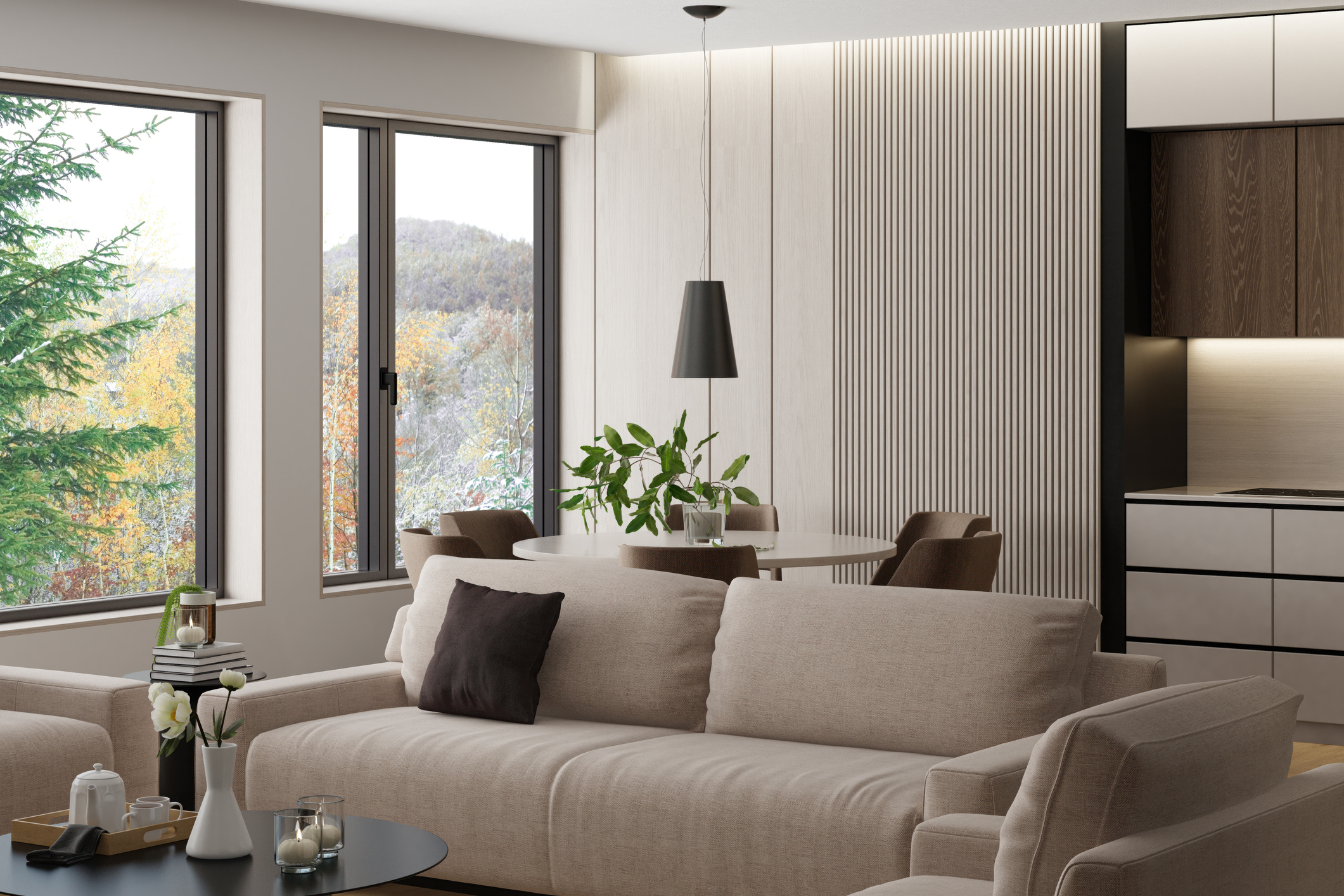
A cluttered home can make everyday living feel more stressful, and even familiar rooms can start to feel cramped instead of cozy. Today’s minimalist design trends offer a simple, approachable way to refresh your space—helping it feel lighter, calmer, and more inviting. By combining soothing colors, natural materials, and thoughtful lighting, you can create meaningful design moments that not only improve how your home feels but can also positively impact its resale appeal.
Start with Calm, Easy-on-the-Eyes Colors
Minimalist design doesn’t mean living with less comfort—it’s about being more intentional with how your home looks and functions, starting with color. Soft whites, creamy beiges, and warm grays paired with earthy tones help reduce visual noise and create a peaceful backdrop. These lighter, neutral palettes reflect natural light, making rooms feel brighter, more open, and effortlessly serene—perfect for everyday living and for creating a welcoming impression when guests (or future buyers) walk in.
Bring in Nature (and Let the Light Do the Work)
Natural textures add warmth and interest without adding clutter. Materials like white oak, walnut, limestone, linen, and wool soften a space while keeping the overall look cohesive and relaxed. Try layering in a linen throw, a textured rug, or swapping in a few wood furniture pieces to bring in subtle contrast.
As you style each room, pay attention to how natural light flows through the space. Arrange furniture with window placement in mind, and use mirrors or light, airy window treatments to help sunlight travel farther. When light moves freely around a room, the space feels less heavy, more open, and visually larger—an instant upgrade without a full remodel.
Make the Most of Your Space with Smart Furniture
Multifunctional furniture is a minimalist’s best friend. Pieces that do double duty help keep everyday items out of sight, giving you more control over what you see and reducing clutter-related stress. Lift-top coffee tables are great for hiding remotes, chargers, and magazines, while bed frames with built-in drawers can help minimize closet overflow.
Entryway benches with hidden storage make it easy to tuck away shoes or umbrellas, and floating vanities keep bathroom counters clear. For homes with kids (and lots of toys), storage ottomans are a simple solution that blends function with style. The more organized your space feels, the lighter and more livable your home becomes.
Add Personality Without Overdoing It
Minimalist design doesn’t mean your home has to feel empty or impersonal. Meaningful accents are what make a space feel lived-in and uniquely yours. Framed prints, curated wall art, ceramic pieces, or textured rugs can anchor a room without overwhelming it. By choosing a few intentional décor items instead of many competing pieces, you preserve the calm energy of minimalist design while still showcasing your personality.
At its core, minimalist design is about creating a home that feels open, functional, and easy to enjoy. It’s a practical way to tidy up everyday spaces while keeping your home ready for hosting, relaxing, or future showings. When clutter is kept in check, daily life feels smoother—and your home becomes a place that truly works for you.
Original Article by Kimberly Quevedo of Blue Matter
 My Select Life - By the Select Group
Leave a comment