
Mastering the Melon
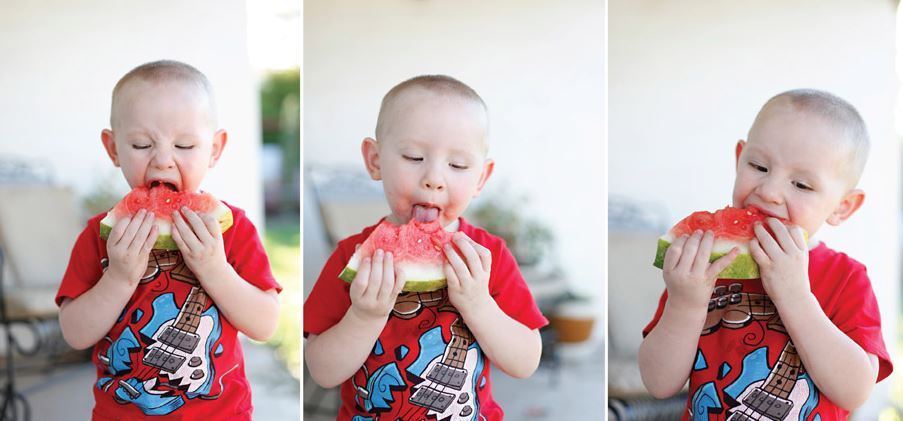
How to choose a good one:
Give it the once over: Symmetrical? Check. No bruises? Check. No Soggy areas? Check.
Find the chouche (cooch): That’s the flat spot where the melon rested on the ground. If it doesn’t have one that means it was harvested too early.
Locate the “Full Slip”: Or belly button, where the melon attached to the vine. It should be smooth and clean, a sign it was ripe enough to detach on its own.
Lift it: Does it somehow seem heavier than it looks? Good; that means it’s juicy.
3 ways to cut:
Always wash the outside of a melon before cutting it.
- Cut down through the middle, then put the halves flat side down, on a work surface and slice. Halve the slices to make wedges, or cut into cubes.
- Trim ends, then stand melon up. Cut off rind, following the curve of the fruit. Cut into slices and/or cubes.
- Place melon on its side, then use a mallet to tap the blade of a big knife into the middle of the fruit until it starts to crack. Cut the melon into whatever shapes you like. This method is especially useful for large melons.
FACT: Watermelon does not ripen after picking!
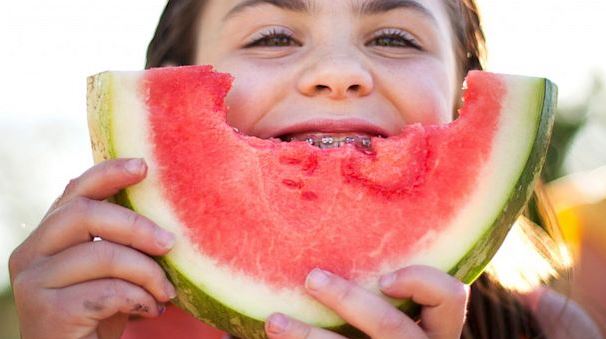
Seedless: YES or NO?
NO. We think Mother Nature had it right; seed-studded melons are juicer and more flavorful.
Other Melons in the Watermelon Family:
- Crimson Sweet: Crisp, sweet, and mild, with medium red flesh
- Mickey Lee: Red flesh with a clean taste and slightly grainy texture
- Moon and Stars: Bright to pinkish red flesh and a sweet-tart flavor
- New Orchid: Pale orange flesh and a rich, honey -like flavor
- Yellow Doll: Yellow flesh; slightly tart
QUICK TIP:
A great way to cool down a melon after a long car ride is to put it in a clean fast-slowing creek.
Source: Sunset Magazine
 My Select Life - By the Select Group
Leave a comment